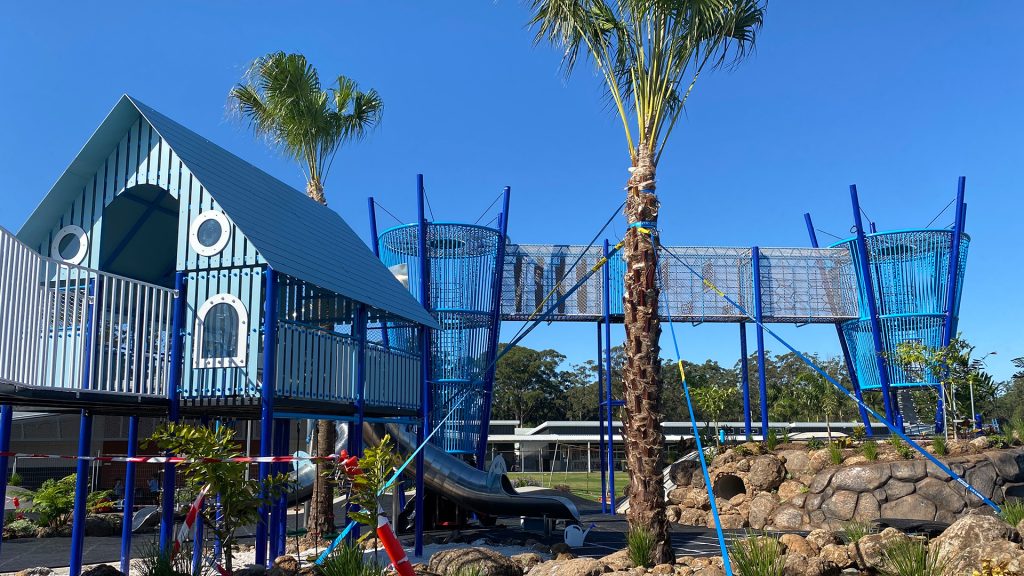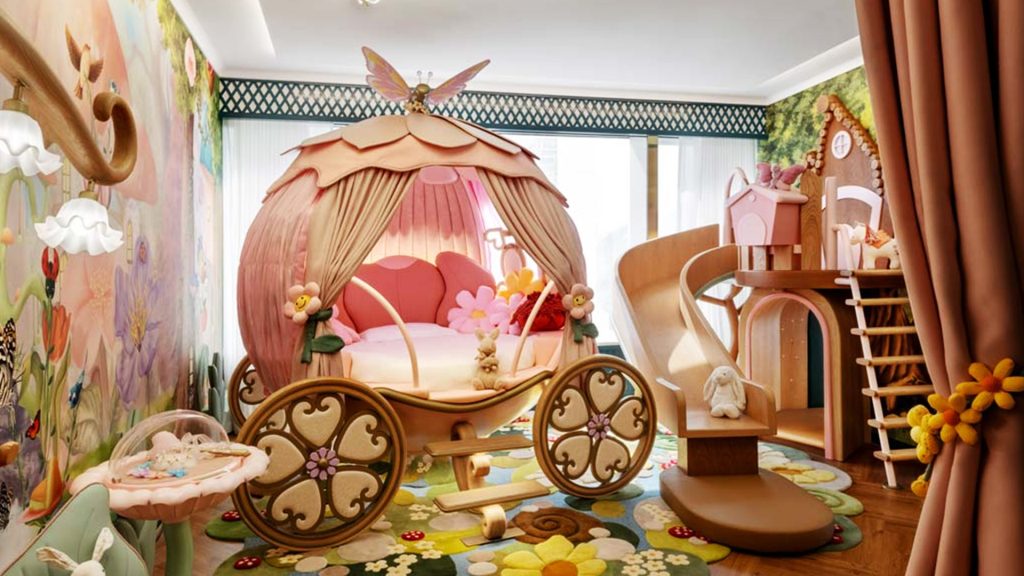
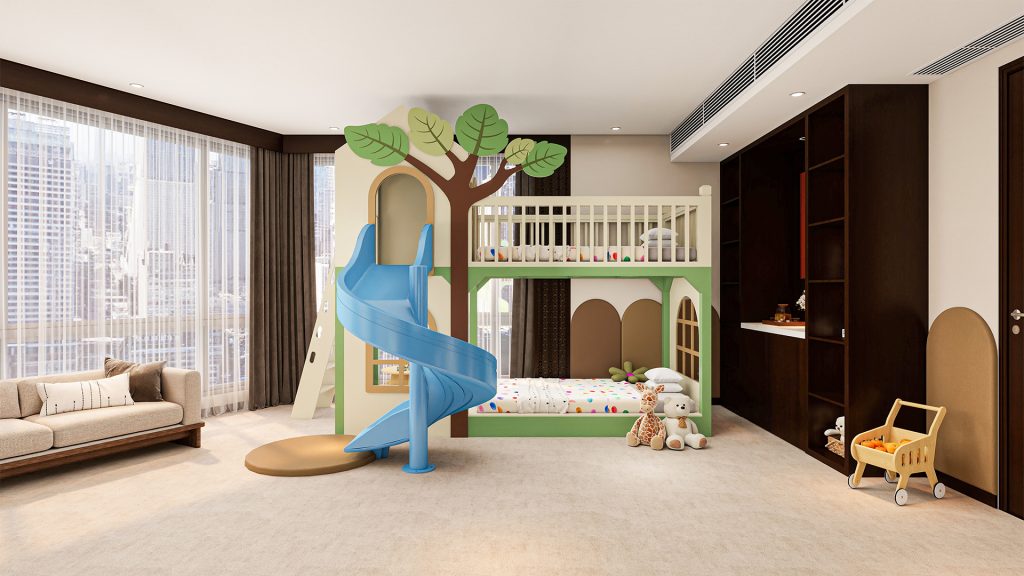
Many projects begin with a catalog. In practice, that is usually too early. Before choosing slides or climbing elements, we need to understand who will use the venue, how families will move through it, where parents will sit, and what the space should feel like when it is busy.
What is a family entertainment center?
A family entertainment center is a destination where families can spend time together through active play, games, themed exploration, learning, food, parties, or other attractions. Some FECs focus on younger children. Others serve school-age children, teenagers, parents, or several age groups at once.
Common FEC experiences include:
- indoor playgrounds and soft play;
- trampoline and active-play areas;
- arcades and interactive games;
- mini golf and skill-based attractions;
- role-play and children’s discovery spaces;
- themed adventure areas;
- outdoor playgrounds and family recreation zones;
- water play and water park attractions;
- birthday-party, group-event, and family dining areas.
The attraction is important, but the overall experience matters just as much. Families notice whether the space is easy to understand, whether parents can see their children, whether the theme feels complete, whether the venue is clean, and whether the visit works for different ages.
Choose the type of FEC you want to create
Start by deciding what kind of visit your venue should provide. A toddler playroom, a mall-based indoor playground, a teen activity center, and a large multi-attraction FEC will need very different spaces and equipment.
Indoor soft play and children’s playgrounds
These venues often combine climbing structures, slides, tunnels, ball pools, soft obstacles, role-play areas, and parent seating. They work well when the goal is to give young children an active play environment while allowing caregivers to stay nearby.
The design challenge is not simply fitting in more play elements. The structure needs age-appropriate zones, visible routes, comfortable circulation, cleaning access, and a layout that avoids blind corners. A family playroom may also need party rooms, lockers, shoe storage, a café area, or a quieter space for younger children.
In Kids Land Indoor Soft Playground in Iran, and in the Beihai Snow Castle Indoor Themed Playground, the structure is only part of the experience. The theme gives the play areas a visual direction and helps the space feel like a destination, rather than a room filled with unrelated equipment.
Active-play and adventure centers
Active FECs may include trampolines, climbing walls, obstacle courses, sports games, or adventure elements. They are often designed for a wider age range and need careful attention to activity separation, supervision, queues, impact areas, and staff visibility.
The concept should make the intensity of play clear. A venue can offer energetic activities while still providing places for parents to rest and children to move between higher- and lower-energy experiences.
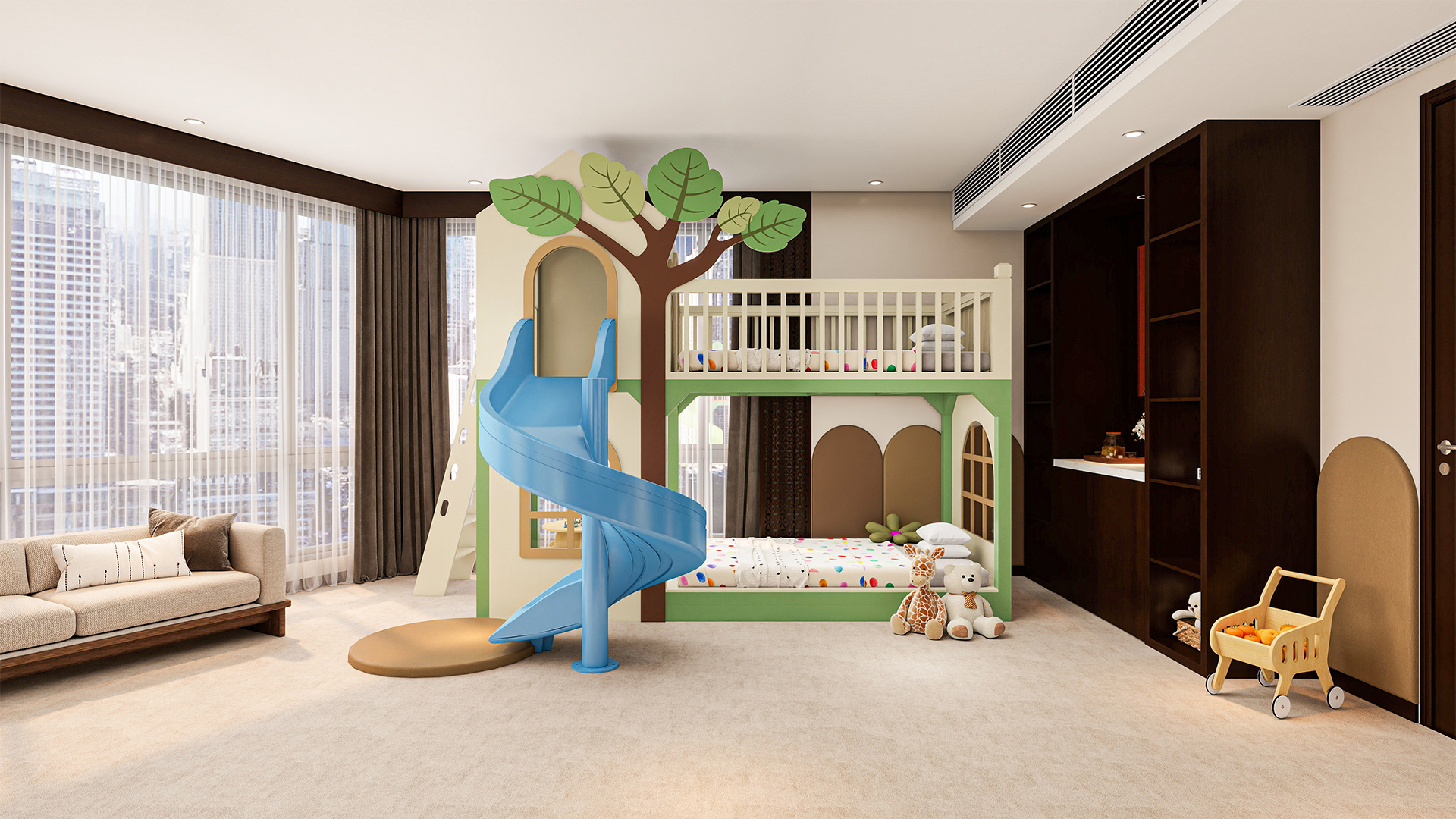
Arcades, games, and interactive attractions
Arcades and interactive games can support repeat visits, competitions, parties, and mixed-age use. They also create different requirements for power, technology, payment systems, maintenance, lighting, and noise control.
If games are combined with soft play or themed areas, the design should make the transition between zones feel intentional. A disconnected row of machines can feel like an add-on; a well-planned interactive zone can become part of the story of the venue.
Discovery, role-play, and edutainment spaces
Children’s museums, role-play towns, science areas, art spaces, and hands-on discovery centers use play to encourage exploration and social interaction. These venues may need more educational content, flexible activity areas, storage, workshops, and scheduled programs.
Outdoor, water, and mixed-use FECs
Outdoor family recreation may include themed playgrounds, adventure play, splash areas, seating, food, landscaping, and event space. Water attractions add further requirements for drainage, surfaces, supervision, mechanical systems, cleaning, and local approvals.
This is also why an FEC project should not treat indoor play, outdoor play, and water attractions as completely separate ideas. When a venue combines them, the arrival experience, circulation, parent areas, service spaces, and visual language need to work together from the beginning.
Find a clear concept and reason to visit
When we discuss a new FEC, one of the first questions is simple: why should a family choose this venue instead of another activity nearby?
The answer might be a strong castle, forest, ocean, space, animal, or adventure theme; a play environment designed for a specific age group; a combination of play, food, parties, and family seating; a discovery experience; an indoor option for difficult weather; or a venue that serves several generations.
A theme works best when it affects more than wall graphics. In a real project, it can guide the shape of the play structure, the sequence of activities, the color palette, the names of zones, the staff experience, and the way families move through the space.
For example, a forest concept might use climbing routes, animal characters, treehouse forms, and nature-inspired activity zones. A castle concept might organize the venue around towers, bridges, role-play rooms, and a central adventure structure. The theme gives the equipment a reason to belong together.
Research your local audience and competitors
Before choosing the final design, visit the venues that already attract families in your area. Look at the ages they serve, admission prices, party packages, busiest periods, parking, parent seating, cleanliness, staff presence, food, restrooms, and whether the venue feels suitable for repeat visits.
The goal is not to copy the largest competitor. It is to find an experience that fits your location and gives families a clear reason to choose you. Use the research to make three practical decisions: who the main customer is, what type of visit you want to own, and what your venue will do better or differently.

Plan the location around the experience
An FEC needs more than a large empty room. Check the property’s access, visibility, parking, ceiling height, columns, floor condition, utilities, loading route, exits, restrooms, storage, and permitted use.
The usable area will be smaller than the advertised floor area after adding reception, circulation, seating, party rooms, toilets, staff space, storage, food service, and maintenance access. Measure the site before asking for a final equipment layout.
The location should also fit the visit you are selling. A neighborhood playroom may benefit from convenient parking and repeat local traffic. A shopping mall attraction may depend more on visibility and shared foot traffic. A resort or hotel project may need a different mix of indoor, outdoor, and water experiences.
Local zoning, construction, fire, occupancy, accessibility, insurance, food-service, and amusement requirements should be checked for the actual site and jurisdiction before construction begins.
Select attractions that work together
Once the audience, site, and concept are clear, select attractions that support one another. Consider age and ability ranges, activity intensity, parent sightlines, queue and circulation space, party and group use, cleaning access, staff supervision, and future expansion.
A strong FEC does not need every possible attraction. It needs a mix that feels complete for its intended customer. A younger children’s venue may gain more from a well-designed soft play structure, role-play corner, sensory elements, party room, and café seating than from adding unrelated high-intensity attractions.
This is where custom design becomes useful. The equipment has to fit the building, but it also has to fit the story of the venue and the way people will use it. In Cloud Sky Street Mao Xian Wang Indoor Theme Park, the themed environment gives the play areas a clear identity. In the Thailand Family Cafe Indoor Playground, play, parent seating, food, and family time need to work as one setting. These are different project types, so they should not be designed from the same generic equipment list.
Build safety and inclusion into the design
Safety should be considered while the layout and equipment are being developed, not added after the design is finished. Review age separation, fall areas, protective surfacing, entrapment risks, sharp edges, guardrails, supervision, emergency access, cleaning, inspection, and maintenance.
For U.S.-relevant public-playground guidance, the Consumer Product Safety Commission highlights protective surfacing, hardware, entrapment hazards, sharp edges, trip hazards, guardrails, regular checks, and supervision. Its public playground safety checklist is a useful planning reference, but local commercial requirements still need to be confirmed.
An inclusive FEC should also consider accessible routes, caregiver seating, sensory needs, clear wayfinding, and activities that do not exclude children who use mobility devices. U.S. ADA standards address accessible routes and play areas, but the applicable requirements depend on the facility and jurisdiction. See the 2010 ADA Standards for Accessible Design.
Understand the main cost factors
There is no single price for starting an FEC. Cost depends on the site, size, building condition, attractions, theme, dining offer, local construction requirements, and level of customization.
Common cost areas include lease or property costs; design, engineering, permits, and inspections; construction and building services; equipment; themed finishes and furniture; kitchen items; shipping and installation; software and payment systems; staffing; cleaning; marketing; insurance; and opening supplies.
Starting with a focused first phase can make the project easier to manage. The important point is to design a complete experience at the beginning, even if some attractions or services are added later.
Prepare the project information before requesting a design
A design discussion becomes more useful when the project team can see the real conditions. Prepare the latest floor plan, site address, dimensions, ceiling height, columns, entrances, exits, photos, target age groups, preferred attractions, theme direction, parent seating, party and food requirements, opening target, and budget direction.
With that information, our design discussion can focus on how the project should work, rather than only on which catalog products look attractive. We can then connect the floor plan, theme direction, play equipment, parent areas, party use, and the practical needs of the venue.
Prepare for construction and opening
Before opening, complete the relevant approvals, inspections, installation checks, staff training, cleaning procedures, emergency plans, ticketing setup, party packages, website information, and local marketing.
Run a controlled soft opening before the full launch. Watch how families enter, move between activities, queue, use party rooms, and leave. Check whether staff can see the important areas and whether cleaning and maintenance can happen without disrupting guests.
Local partnerships can also help build awareness. Work with schools, hotels, malls, community groups, nearby businesses, and family organizations. Birthday parties, school visits, holiday programs, and community events can introduce the venue to different customer groups.
FAQ
How much space does an FEC need?
There is no fixed answer. The space depends on the venue type, age range, attractions, seating, party rooms, restrooms, storage, and local rules. Start with the real floor plan, not a guessed equipment list.
Which attractions should an FEC open with?
Choose attractions that fit the main customer and work well together. A smaller mix with a clear theme is often easier to operate than a crowded room with unrelated equipment.
Should an FEC use a custom theme?
A custom theme can make the venue easier to remember. It can also help connect the play structure, wall graphics, activity zones, signs, and family photo moments.
Final thoughts
Starting a family entertainment center begins with a clear experience, not a long equipment list. Decide who you want to serve, study the local market, choose a workable site, and develop a theme and attraction mix that make sense together. Safety, accessibility, parents, staff, and maintenance all need to be part of the design from the start.
When you are ready to discuss a custom project, share the floor plan, site photos, dimensions, target ages, preferred activities, theme direction, and opening plan with MooTon through the MooTon website. Those details create a stronger starting point for a practical FEC design and equipment discussion.