
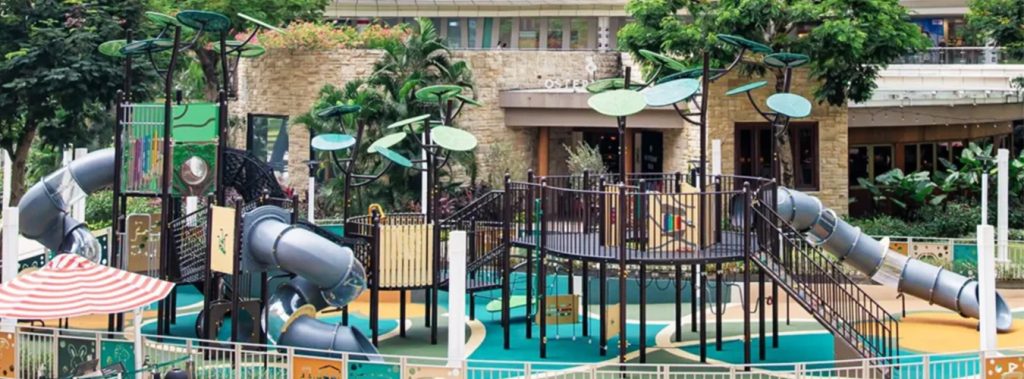
A playground delivery can arrive on time and still leave the installation crew unable to start. The access gate may be too narrow, the unloading area may be blocked, or the foundation drawing may not match the equipment on the truck. Avoiding this situation requires more than scheduling the truck: the site, drawings, and equipment order must be checked together before delivery. Keep the site layout, equipment drawings, and assembly instructions with the crew until the final inspection.
What Does Commercial Playground Installation Include?
Commercial playground installation has three stages: preparing the site and documents before delivery; installing the foundations, equipment, and safety surface; and inspecting the playground and giving the manuals and records to the operator before opening. If the equipment or site is still being defined, start with MooTon’s playground planning guide.
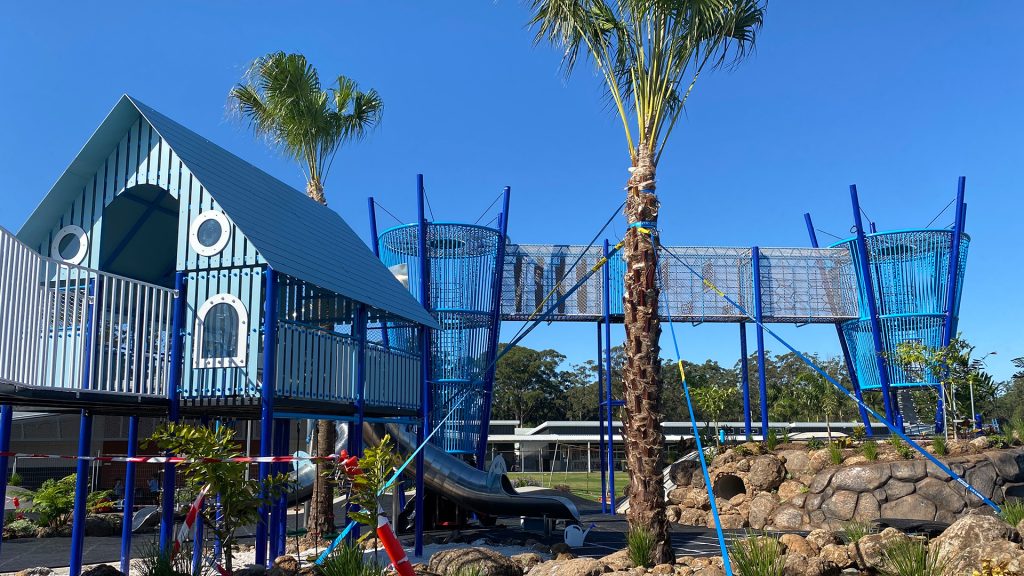
What Should Be Ready Before the Equipment Arrives?
Before work starts, gather the latest documents for the equipment order and site. These should include the equipment list, product drawings, assembly instructions, packing list, site layout, foundation and anchor drawings, surfacing drawing, delivery date, crate dimensions, and unloading requirements. Make sure every document shows the same equipment models and positions. Also check the drawing dates and the final surface heights around the equipment.
Read the supply agreement to confirm which parts, fasteners, templates, labels, and tools are included. Name one contact for delivery questions and another for technical questions, and resolve anything missing or unclear before the crew starts.
Prepare Site Access, Unloading, and Storage
Walk the site with the site layout in hand before delivery. Make sure the crew can find the fixed reference points shown on the drawing. Check that the installation area is clear and that nearby paths, curbs, walls, and drains are at the heights shown on the plan. Look for stored materials, ground that has not been leveled or compacted, marked utility lines, and nearby construction that could block an equipment position or the crew’s access route.
Trace the delivery route from the road to the unloading point. Check gate width, turns, overhead restrictions, ground conditions, working hours, and space to stop and unload. Use the supplier’s delivery notice and packing list to confirm who will meet the driver and which forklift, crane, or other handling equipment is needed.
Choose a dry, secure storage area before the load arrives. Keep it away from vehicle routes and work by other contractors. Store the crates, small hardware, instruction packs, and painted or coated parts under cover until they are needed. Keep package labels visible, and keep small fasteners or loose components with the structure they belong to. If crates must be moved again, leave a clear route that does not cross completed work.
What Should Be Checked When the Equipment Arrives?
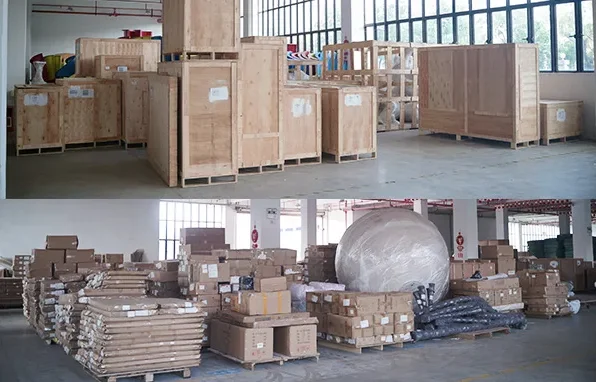
When the equipment arrives, count the crates against the packing list, keep each label with its parts, and photograph any damage. Store loose hardware and instruction packs in marked containers. Set aside damaged, unidentified, or incorrect parts, and contact the supplier before substituting or modifying anything.
How Is Commercial Playground Equipment Installed?
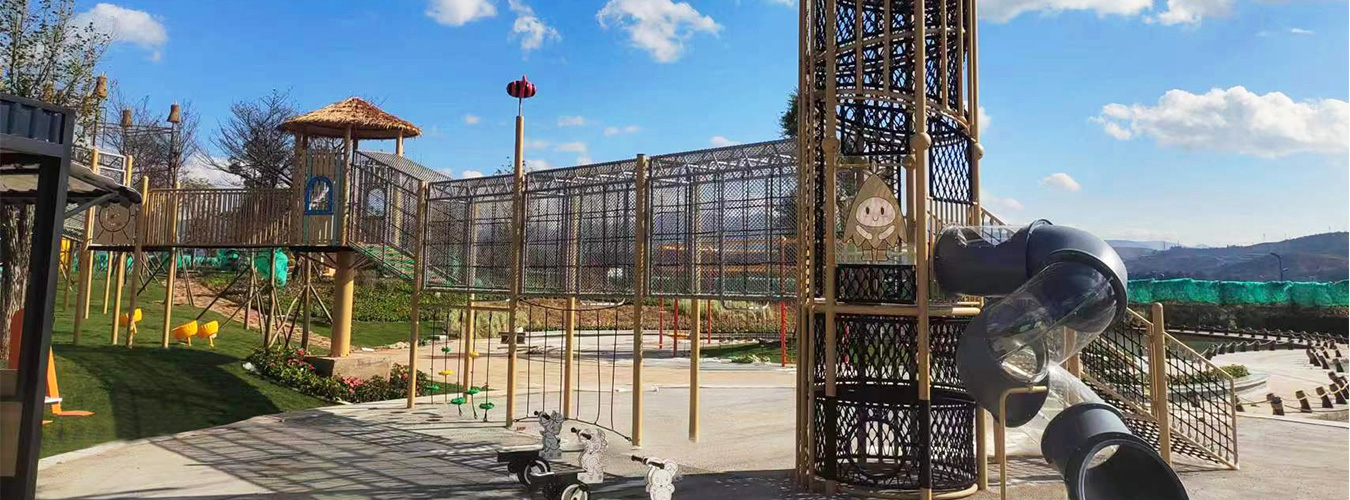
After the delivered parts have been checked, installation moves through three main steps: marking the equipment positions, building the foundations and anchors, and assembling the equipment.
Mark the Equipment Positions from the Site Layout
Begin at the survey marker, building edge, or other fixed reference shown on the site layout. Mark the direction of each structure and the position of every main support. Compare these marks with nearby paths, boundaries, safety-surface edges, drains, and marked utility lines.
Review the marks before digging or drilling. A structure may face the wrong way, a support may sit above a utility, or the built site may differ from the drawing. If you find a difference, stop and ask the project designer or buyer’s representative to confirm the correct position on an updated drawing. Do not shift the equipment by eye.
Build the Foundations and Install the Correct Anchors
Use the foundation and anchor drawings for the supplied equipment. Mark where each support meets the ground or concrete slab, then confirm its installation height relative to the finished safety surface.
Follow those drawings for hole depth, anchor type, concrete mix, steel reinforcement, and the required curing time. Arrange any required inspection before concrete, soil, or surfacing hides the work.
Assemble the Equipment According to the Manufacturer’s Instructions
Group the identified posts, decks, panels, play parts, fasteners, caps, and moving parts by structure. Keep the current instructions beside the crew. Brace partially assembled structures so they cannot move or tip, and keep unauthorized people outside the work area. As work progresses, check the direction, alignment, connections, moving parts, caps, and labels.
The CPSC references in this guide apply to U.S. public playgrounds covered by the CPSC Public Playground Safety Handbook. For assembly, the handbook says to follow all manufacturer instructions. Follow the instructions for the supplied system rather than relying on memory from a similar structure.
If a connection does not align or a part appears wrong, recheck its number and orientation. Do not enlarge a hole, cut a component, or force a connection. Ask the manufacturer to confirm the correction before modifying a supplied part.
When Is Playground Safety Surfacing Installed?
Complete any work that requires lifts, mixers, or vehicles before installing the final safety surface.
Use the surfacing drawing to set the required depth, the final height around equipment posts, and the edges beside paths and entrances. Confirm that the prepared layer beneath the safety surface is complete and drains as shown on the drawing.
Check where two surface materials meet and where the surface joins paths, curbs, and entrances. If equipment work must continue after surfacing begins, mark a route for workers and tools. Keep vehicles, fuel, packaging, and sharp materials off finished areas.
Before opening, check the surface depth and height around posts, entrances, paths, and edges. Correct any area that does not match the selected surfacing system or drawing.
What Should Be Inspected Before the Playground Opens?
Keep the playground closed while the inspector selected by the owner checks the equipment and surrounding area. Record each problem by structure and location. Check equipment position, stability, connections, hardware, moving parts, labels, surface edges, and places where two materials meet. Remove packaging, tools, and construction material from the play area. After a defect is corrected, inspect that item again and record the result.
The CPSC handbook recommends a thorough inspection after assembly and before first use. The inspector should be qualified to inspect playgrounds for safety. Before installation begins, the owner should name the inspector and the person authorized to open the playground.
Which Manuals and Records Should the Operator Receive?
Give the operator the current equipment manuals and maintenance instructions. Include the final equipment list, completed inspection checklist, records of corrected defects, and the supplier’s contact information for replacement parts or equipment questions.
The CPSC recordkeeping guidance recommends keeping maintenance inspection and repair records together with the manufacturer’s maintenance instructions and the checklists used.
Store the records where the people responsible for routine checks and maintenance can use them.
What Should Buyers Check Before Installation and Opening?
- [ ] The latest drawings, equipment list, assembly instructions, and packing list show the same models and positions.
- [ ] The delivery route, unloading point, handling equipment, and dry storage area are ready.
- [ ] Crates and labels match the packing list, and damage or shortages have been reported.
- [ ] Equipment positions, foundations, anchors, and assembly follow the supplied drawings and instructions.
- [ ] The safety surface has the specified depth, heights, edges, paths, and connections between materials.
- [ ] The final inspection is complete, defects have been corrected, and the operator has the manuals and inspection records.
What Project Details Should You Send to MooTon?
To discuss the supplied playground equipment, contact MooTon. Send the project location, site layout, selected equipment, site photos, access limits, intended installer, surfacing system, and target dates. MooTon can then confirm which product drawings, assembly instructions, packing documents, and delivery notes apply to the supplied equipment.
External Reference
- Public Playground Safety Handbook — U.S. Consumer Product Safety Commission
- Certified Playground Safety Inspector Program — National Recreation and Park Association