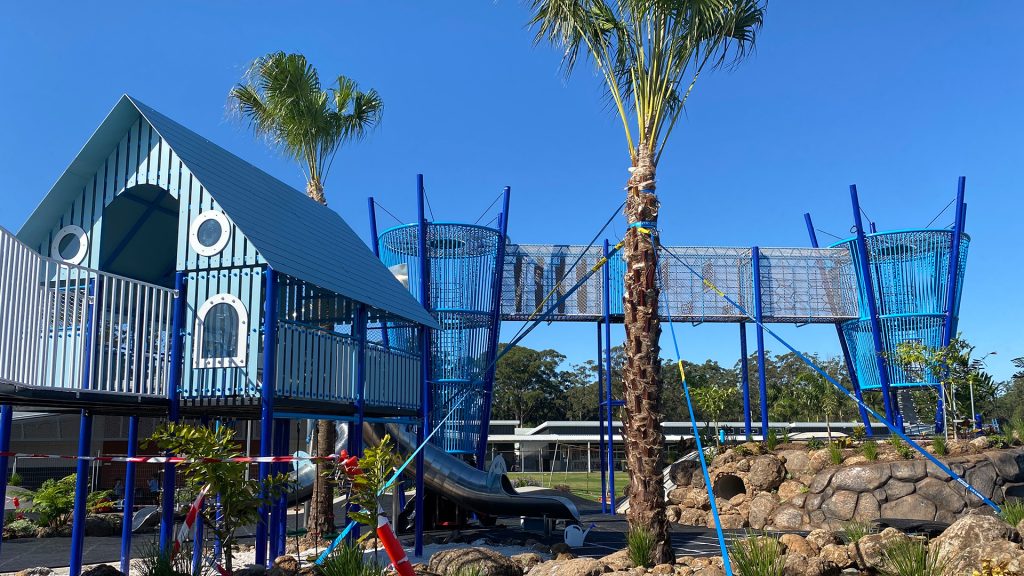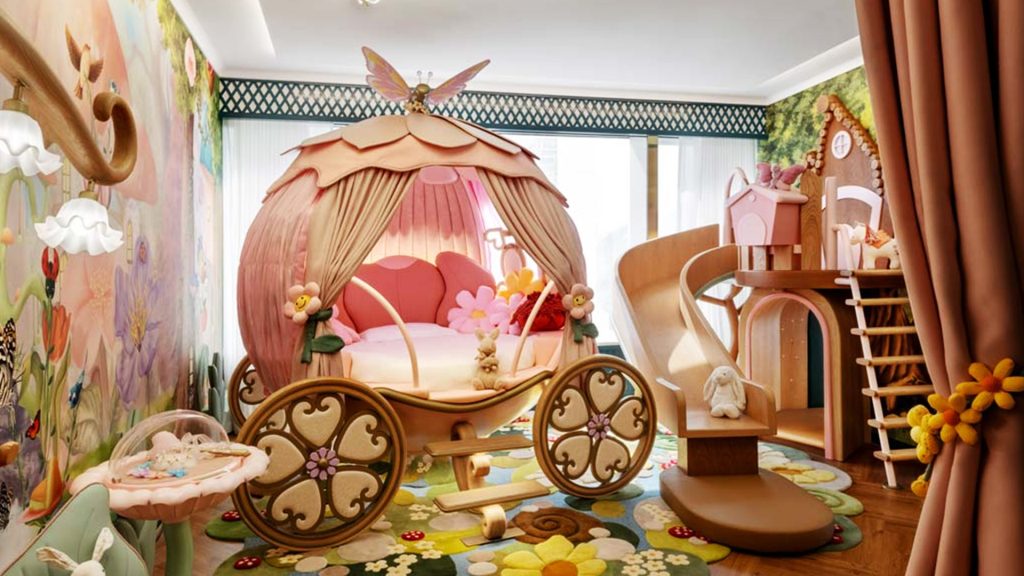
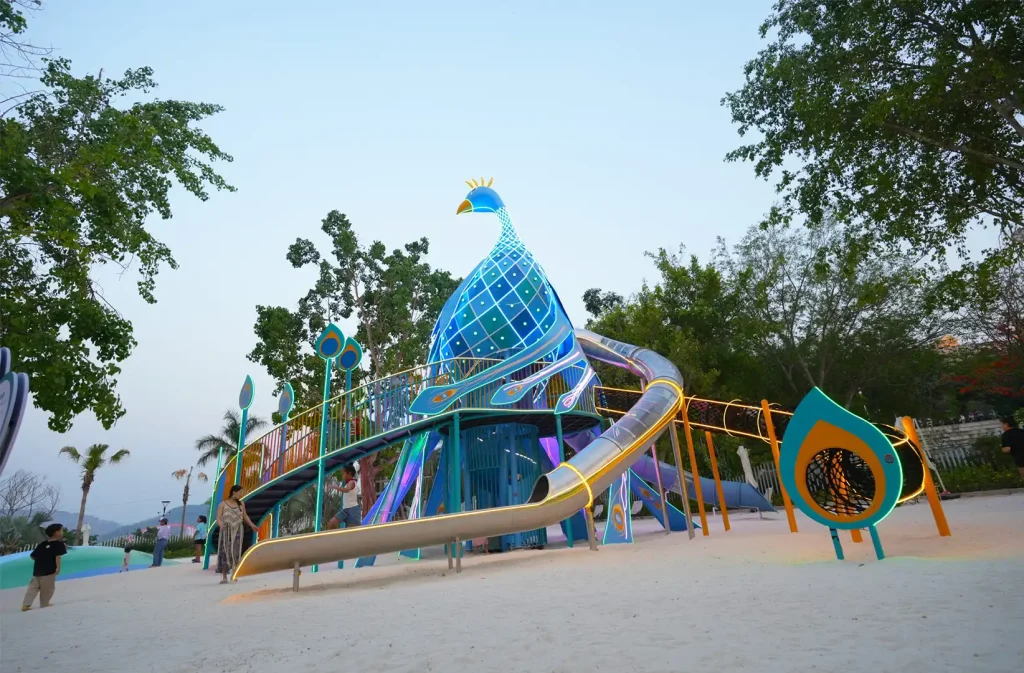
Commercial outdoor playground equipment is priced based on the project rather than a single universal price list. MooTon develops outdoor playgrounds around the venue, available space, target users, climate, surfacing, budget, and timeline. These project details also shape the quotation.
Why outdoor playground equipment does not have one fixed price
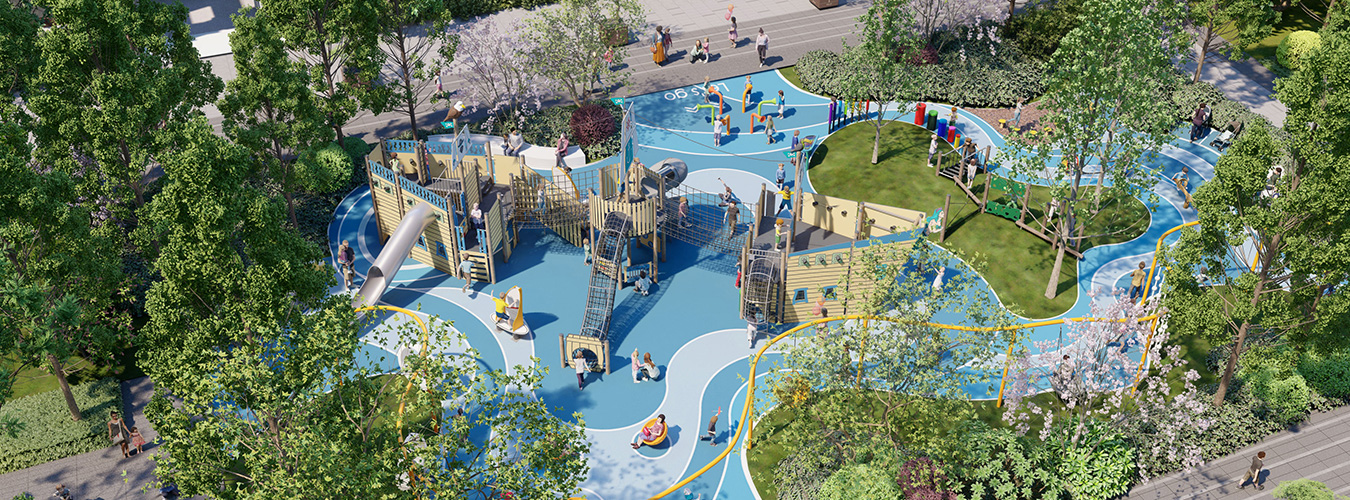
The right commercial outdoor playground equipment depends on where it will be installed and who will use it. A school serving younger children needs a different play mix from a public park, residential community, or resort. This changes the equipment, design work, delivery, and installation.
Area helps describe the site, but it does not set the equipment price by itself. Two playgrounds with the same footprint may have different age zones, capacities, activity mixes, themes, and supporting equipment. A useful quotation therefore connects the price to a plan, product list, destination, and defined set of services.
Check what the quoted price includes
Before comparing suppliers, identify which of these four pricing levels each quoted figure represents.
| Price level | What it includes | What to check |
|---|---|---|
| Equipment price | Listed play structures, freestanding equipment, finishes, and design documents. | Products, quantities, options, colors, drawings, and revisions. |
| Delivered equipment | The equipment package plus the freight services stated in the quote. | Destination, delivery term, customs, unloading, and storage. |
| Equipment with installation | Delivered equipment plus the installation work stated in the quote. | Foundations, concrete, local labor, lifting equipment, supervision, and surfacing. |
| Complete project budget | Equipment plus the other work needed to complete the site. | Site preparation, drainage, surfacing, access, shade, landscaping, approvals, and taxes. |
Treat an equipment-only quote as one part of the project budget. A higher quote may include design, freight, or installation support that a lower quote leaves to the buyer.
When reviewing a quotation, check the currency, date, destination, product list, included services, excluded work, and expiry date. Ask for base equipment and optional features to be shown separately, along with any included freight, installation, surfacing, or site work. This makes each price easier to adjust and compare.
What affects the equipment quotation
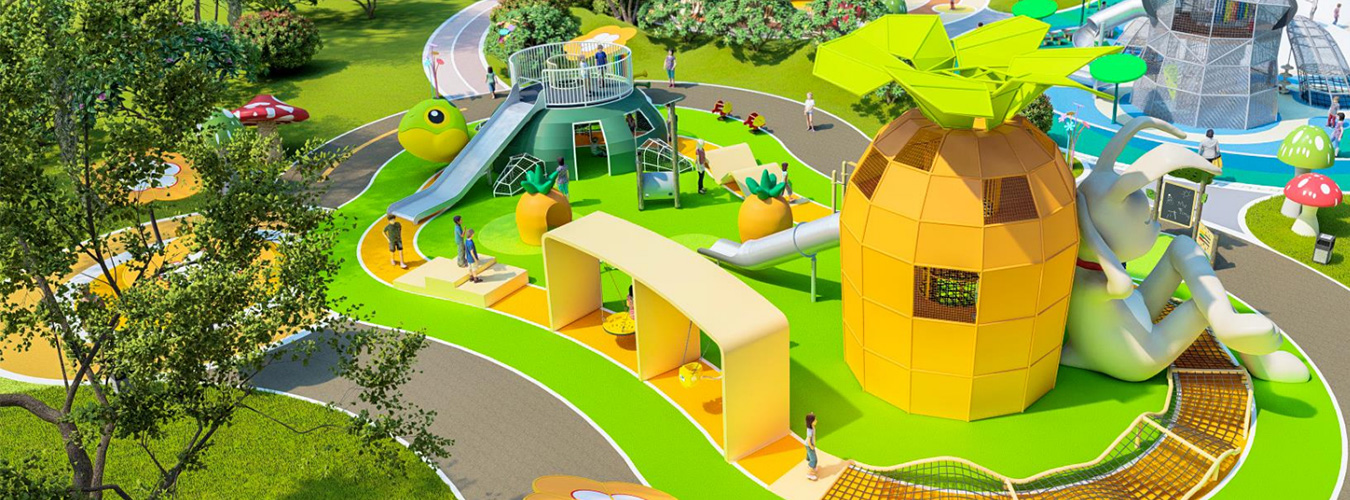
For a MooTon outdoor project, the users, site, and desired play experience guide equipment selection and custom design.
The main factors include:
- Users and capacity: Age groups and expected use influence dimensions, challenge levels, age zoning, access points, and the number of activities.
- Equipment mix: Slides, climbers, swings, sensory play, social spaces, and freestanding pieces create different product combinations.
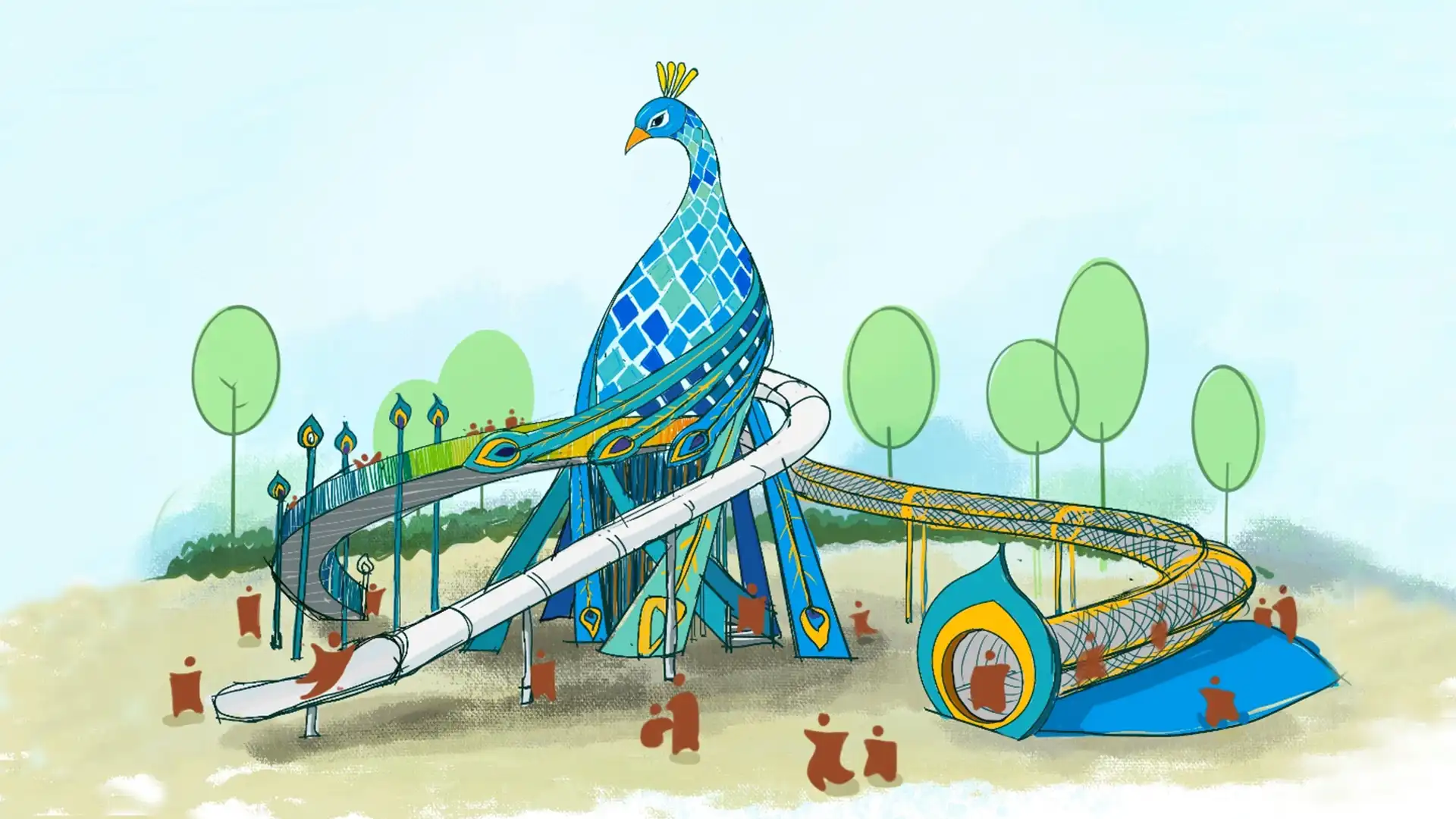
- Size and customization: Height, linked structures, moving components, custom themes, colors, signs, and branded features add design and manufacturing work.
- Site and material needs: Climate, coastal exposure, sun, moisture, accessibility goals, and requested project documents can change the proposed materials and equipment design.
Explore the outdoor playground equipment to identify preferred structures and activities. Then share the must-have features, target users, and budget range so the supplier can focus the design instead of pricing every possible option.
The project does not need to be fully designed before the first quotation, but it should have a clear direction. Ask for the core equipment to be separated from optional theme features, supporting activities, and services. This shows which changes affect play value and which mainly affect appearance or delivery support.
Set priorities before reducing the equipment list
When the first proposal is above the working budget, do not remove equipment at random. Decide what the playground must achieve first.
A school may prioritize age-appropriate challenge, supervision, and daily capacity. A community project may prioritize multi-age use and a balanced mix of active and social play. A hospitality project may place more value on a distinctive visual feature that gives the site a recognizable identity.
When discussing revisions with MooTon, separate cosmetic savings from changes that affect play value. Standardizing colors or decorative details may reduce customization work, while removing a climber, slide, or access point changes what children can do and how many can use the structure.
Keep the essential play functions in the base proposal and show secondary features as options. This gives the buyer a clear way to reduce or expand the equipment package without starting the design again.
Know when the quotation needs to be updated
An early quotation helps compare design directions and set a working budget. Update it when a change affects the equipment, freight, or installation.
Request an updated quote when:
- the usable play area or site plan changes;
- the target ages, expected use, or activity priorities change;
- a standard design becomes a custom theme;
- the destination or delivery access changes;
- surfacing, foundations, or installation are added or removed;
- the selected product list or drawing is revised.
Use an early estimate to choose a direction, not as the final order value. A developed quotation should name the equipment, options, destination, and services. Before approval, make sure the latest quotation matches the current drawings and product list.
What may sit outside the equipment price
The equipment quote and the completed playground budget are not the same. Check who will provide the following work.
Climate, materials, and shade
Outdoor conditions affect materials, finishes, fixings, shade, and maintenance. Give MooTon the exact location and identify strong sun, salt air, humidity, extreme temperatures, wind, or heavy rain. A coastal resort and an inland school may need different specifications even when the layout is similar.
Shade may come from equipment roofs, trees, separate canopies, or nearby shelters. A separate canopy can add columns, foundations, delivery, and installation, so confirm whether it is included in the equipment quote.
Safety surfacing and accessible routes
Finalize the equipment layout before pricing the safety surface. Its area and construction depend on the use zones, fall heights, base, and drainage. For U.S. public-use projects, identify the required accessible routes and play components before confirming the layout.
Check whether the quote includes only the equipment, surfacing materials, the prepared base, or a fully installed surface.
Compare the whole surface build-up, not only the top material. Base preparation, drainage, edging, transitions, accessible routes, installation, and future repair can change the initial and ongoing cost. The lowest material price does not necessarily represent the lowest installed price.
Site preparation, drainage, and foundations
Slopes, drainage, buried utilities, existing paving, soil, and foundations can change the work required before installation. Send a current site plan and photographs so visible issues can be considered early. The Public Playground Safety Handbook is a useful site-planning reference for U.S. public playgrounds.
A replacement project may also need removal, disposal, repairs to the existing base, or protection of equipment that will remain. A new site may need clearing, grading, drainage, or access work before equipment can arrive. These costs are usually easier to price after the equipment positions and installation route are shown on the site plan.
Foundation work should match the selected equipment and ground conditions. Check whether the supplier provides foundation drawings only or also includes excavation, concrete, anchors, and reinstatement. If those items will be completed locally, send the relevant drawings to the contractor before treating the installation budget as complete.
Freight, unloading, and installation
Freight changes with the destination, packing volume, delivery terms, and route to the site. Check who handles customs, duties, unloading, storage, and movement from the delivery point to the play area.
For installation, name who will provide the foundations, concrete, local labor, lifting equipment, power, site access, supervision, surfacing, and final inspection.
The delivery vehicle reaching the property does not mean the equipment has reached the installation area. Narrow gates, finished landscaping, stairs, soft ground, restricted working hours, or a long distance from storage can add handling and labor. Share photographs and dimensions of the unloading and access route before delivery is priced.
Other items around the playground
The finished site may also need fencing, gates, seating, bins, signs, paths, lighting, or planting. These items are not part of every equipment quote, but they still need a budget when the design requires them.
Permits, local design work, inspections, taxes, and professional services can also sit outside the equipment order. Instead of assuming the equipment supplier includes them, list the party providing each item and add that price to the wider project budget.
Information that helps when requesting a quote
MooTon’s inquiry form asks for the site area, budget, business type, and detailed requirements. For an outdoor playground, the following information can make the first discussion more useful:
- location and venue type;
- dimensioned plan, usable play area, and current photographs;
- target ages, expected use, and preferred activities;
- equipment references, theme direction, and must-have features;
- known slopes, drainage, utilities, access, and surfacing needs;
- delivery and installation needs, budget direction, and target opening date.
A dimensioned plan is more useful than a total site-area figure because it shows the actual play boundary, entrances, slopes, trees, utilities, and access route. Site photographs can reveal obstacles that are missing from the drawing. Equipment references do not need to be final selections; they can show the preferred height, activity level, style, or theme.
Not every detail needs to be final. Share what is known, mark undecided items, and state whether the budget covers equipment only or also includes freight, installation, surfacing, or site work.
How to compare playground quotations
Do not compare only the totals. Check that each supplier priced the same plan, users, activities, finishes, destination, and services.
Review:
- product list, options, and drawing revision;
- materials, finishes, and design documents;
- freight, unloading, storage, and installation;
- surfacing, foundations, taxes, and other excluded work;
- expiry date, payment terms, warranty, and maintenance information.
If a supplier excludes part of the work, add the local contractor’s price before comparing totals. Compare the same products and services—not just the number at the bottom of each quote.
A lower quote may reflect a smaller structure, fewer activities, standard finishes, different materials, or less design work. It may also omit freight, unloading, foundations, surfacing, or installation. Ask what the price difference changes in the finished playground.
Request a project-specific quotation
When the basic project information is ready, request a playground equipment quote. Use the Detailed Requirements field for information that does not fit the site-area, budget, or business-type fields.