Renovating a water park starts with one question: what problem must the project solve? A limited defect may justify a repair. A serviceable attraction that no longer fits the park’s audience may be a candidate for retheming or a functional retrofit. An asset that cannot support its intended role may need replacement. If the existing park still works but lacks capacity or a needed experience, adding an attraction may be the better direction.
First use inspection and engineering findings to decide what can stay. Then define the intended guest experience, attraction type, theme, and layout for the renovated area. The four paths below show which option to develop further. Final structural, hydraulic, electrical, water-quality, accessibility, fire, and code decisions belong to the qualified professionals responsible for those scopes.
Define the Problem the Renovation Must Solve
Avoid beginning with a catalog or a preferred ride. First identify the gap in the current park:
- Condition: A finish, component, support, control, or complete attraction has deteriorated or is repeatedly unavailable.
- Guest experience: The attraction still operates, but its theme, play pattern, or thrill level no longer fits the intended visitors.
- Attraction mix or capacity: The park serves some groups well but lacks an experience for younger children, families, thrill seekers, or another priority audience.
- Growth: The operator wants a new draw, a second phase, or a more complete attraction mix without rebuilding the entire park.
Build a concise picture of the existing facility before comparing solutions. Gather the latest site and layout drawings, attraction inventory, condition findings, maintenance and downtime history, guest mix, operating calendar, available space, known utility limits, and future expansion plans.
Age is only a screening factor. Base the keep-or-replace decision on documented condition, compatibility with the proposed use, parts availability, maintenance burden, and whether the connected systems can support the change. Use current inspection and engineering findings—not installation date—to establish that baseline.
Compare Repair, Retrofit, Replacement, and Addition
The four paths should be compared against the same project goals, operating limits, and confirmed site information.
| Path | Choose this path when | What changes | Ask the supplier to define |
|---|---|---|---|
| Repair or refurbish | Inspection isolates the problem to a finish or replaceable component, and the structure and connected systems can stay. | Only the damaged finish, part, or themed surface. | Compatible parts or materials, original specifications, and access needed for the work. |
| Retrofit or retheme | The structure and major systems can stay, but the play experience, access, function, or theme needs updating. | Selected features, theming, equipment, controls, or layout areas. | What can be reused, the new equipment’s space and utility needs, and how it connects to the existing attraction. |
| Replace | Inspection rules out continued use, replacement parts or technical support are unavailable, or the attraction no longer fits the intended visitors. | The complete attraction and any site work needed to connect the replacement. | Target visitors and capacity, removal work, utility connections, and installation order. |
| Add | Existing attractions still work, but the park lacks capacity or an experience for a priority guest group. | A new attraction, its footprint, queue, utility demand, and operating needs. | Attraction type, target capacity, required space, water and power needs, and fit with future phases. |
Repair or Refurbish a Defined Problem
Investigate repair only when inspection isolates the defect to a finish or replaceable component and confirms that the structure and connected systems can remain. Typical work may include renewing a worn finish, replacing a supported component, or restoring a themed surface.
A repair-only project normally begins with the owner, original equipment provider, or qualified inspection team identifying the cause. Repeating surface work without correcting movement, leakage, corrosion, control faults, or another underlying problem only postpones the decision. If the cause extends into the structure or connected systems, the project has moved beyond a simple refurbishment.
Retrofit or Retheme a Serviceable Attraction
A retrofit is useful when the retained attraction can support a new function or play experience. A retheme focuses on visual identity, although it can be combined with new interactive elements, slide features, access changes, or revised play sequencing.
The concept should identify the target visitors, the experience that needs to change, the equipment that will remain, and the existing supports, pipes, power, or controls affected by the change. A new theme can refresh the guest experience, but it cannot correct an unsuitable structure, insufficient treatment capacity, or equipment no longer supported by its manufacturer.
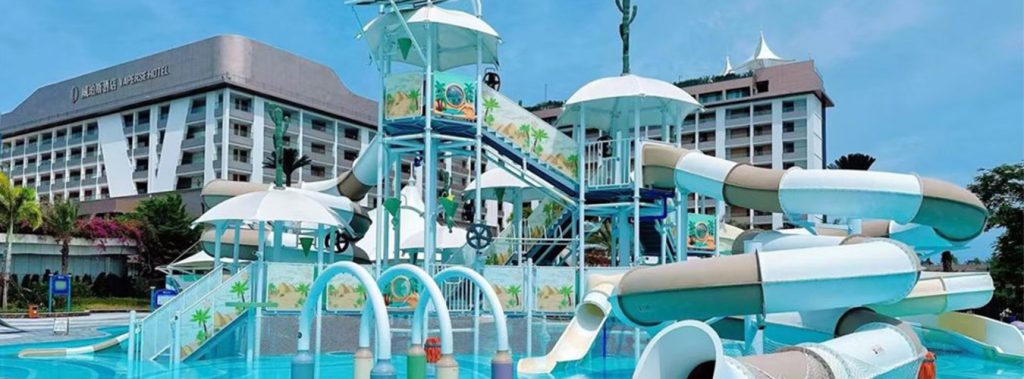
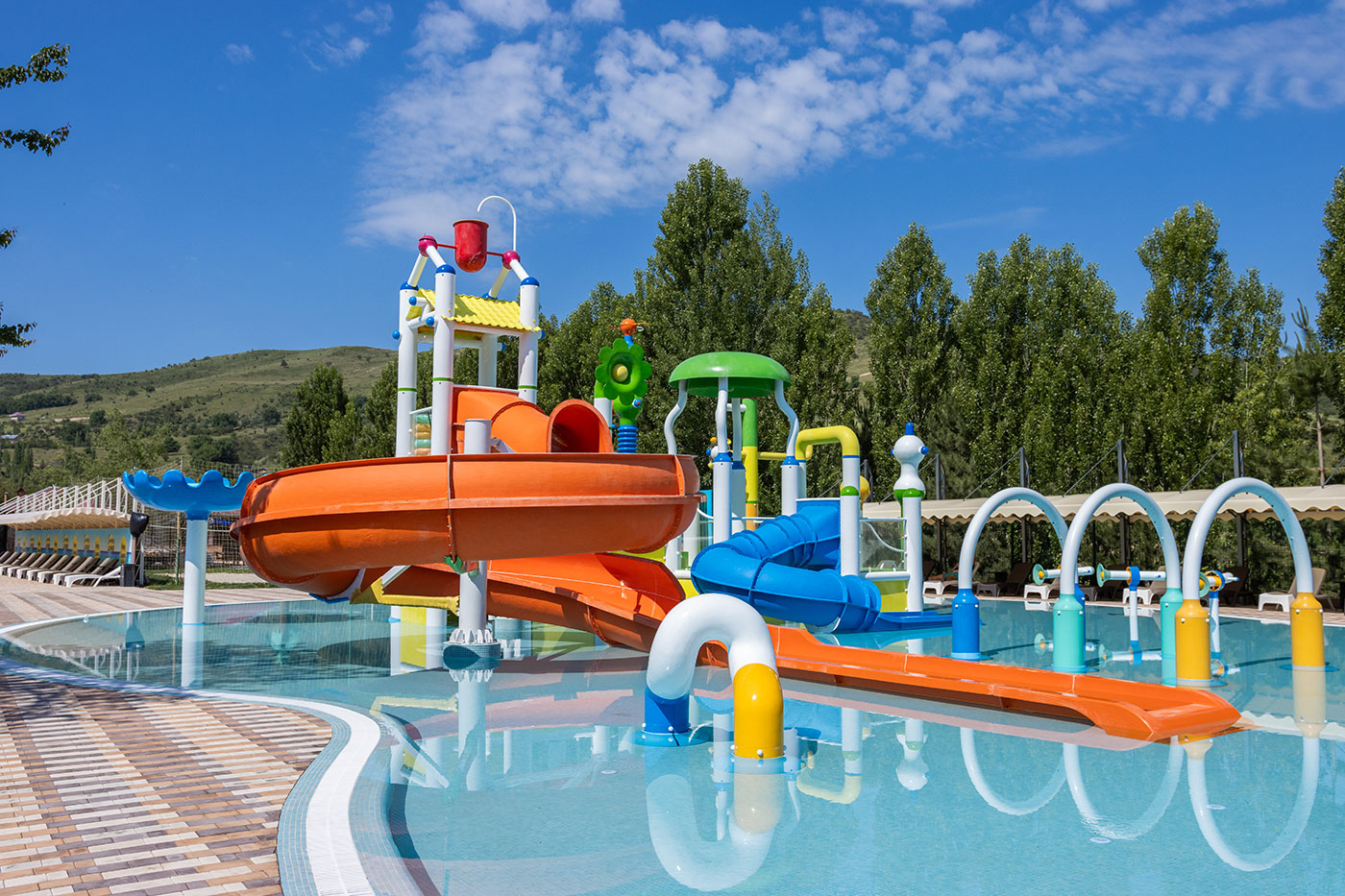
MooTon’s Layner Mountain Resort renovation, for example, transformed an existing resort pool into a small family water park for preschool children.
Replace an Attraction That Cannot Serve the Next Phase
Choose replacement when inspection rules out continued use, essential parts or technical support are unavailable, or the attraction no longer fits the park’s intended visitors. Replacement can also be more practical when a retrofit would require extensive site and system modifications while preserving little of the original attraction.
Define the role before selecting the replacement. Decide whether the new attraction should restore the same capacity, serve a different age group, create a stronger visual landmark, add a higher-thrill experience, or improve family participation.
Add an Attraction to Fill a Clear Gap
Start with the missing role: lower-height play for young children, a shared family activity, a signature water house, a higher-thrill slide, or a surf or wave experience. Then confirm that the required footprint, queue space, utilities, staffing, and future expansion space are available. Otherwise, a new product can create an extra queue or operating burden without improving the overall park.
Match the Attraction Mix to the Guests You Want to Serve
- Young children and cautious first-time users usually need approachable water play, clear sightlines, lower-height features, and areas that families can supervise easily.
- Families with mixed ages benefit from zones that combine interactive play, slides, splash features, seating, and nearby support spaces rather than relying on one high-intensity attraction.
- Thrill-oriented visitors require a deliberate progression of slide experiences. A signature slide should complement—not replace—the attractions for families and children.
- Resorts and hotels may value dwell time, visual identity, and experiences that fit the wider guest journey as much as peak ride capacity.
- Parks planning future phases should avoid consuming the space, utility capacity, or circulation route needed for the next addition.
MooTon’s commercial water park equipment categories include water play equipment, children’s water houses, large water houses, commercial slides, kids’ slides, and surf or wave equipment. Use these categories to compare possible roles in the attraction mix. The final selection still depends on the site’s confirmed dimensions, utilities, target users, and operating plan.
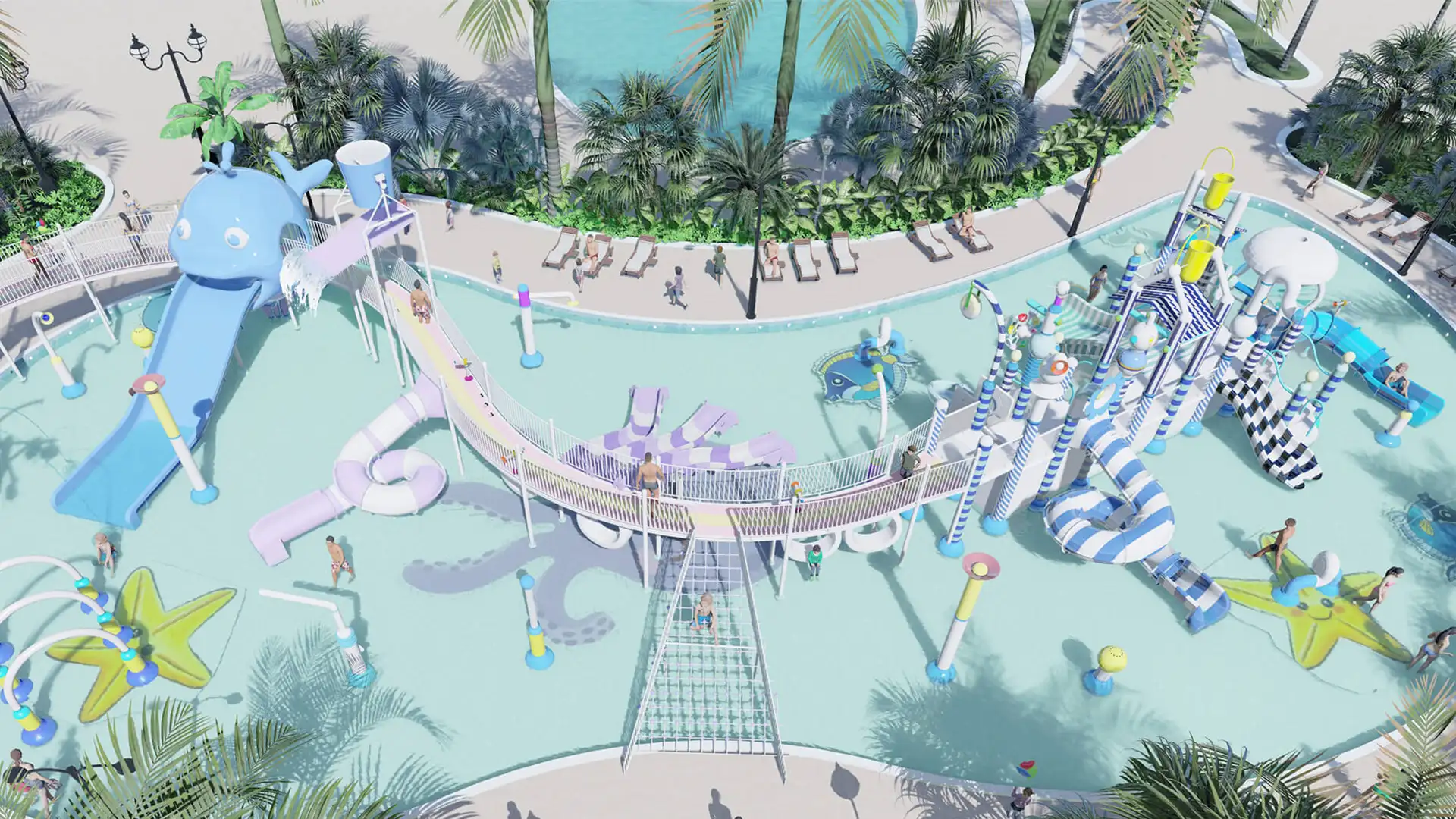
Define the target guests and play experience before developing the new theme. Set the intended atmosphere, age range, story, and key visual landmarks before detailed artwork begins. Existing structures, columns, pools, and buildings may become part of the new story, but only after their reuse has been confirmed.
Check the Existing Site Before Developing the Concept
Before layout work starts, provide the project team with current information on:
- the structure, foundations, pools, decks, and supports that may remain;
- water circulation, filtration, treatment, drainage, and available plant space;
- electrical supply, control systems, and emergency connections;
- guest circulation, queues, accessible routes, staff sightlines, maintenance access, and construction access.
The attraction supplier can use confirmed site information to develop equipment and layout options. The owner’s appointed professionals should confirm that the foundations, water-treatment system, drainage, and electrical supply can support those options and that the options meet local requirements.
Local requirements also affect the scope. CDC identifies the 2024 fifth edition as the current Model Aquatic Health Code, but the MAHC is model guidance rather than a rule automatically applied in every jurisdiction. Confirm the requirements adopted for the project and the applicable review path with the local authority. CDC, current MAHC edition
For U.S. facilities covered by the ADA, alteration requirements depend largely on the actual work. Altered elements and spaces must comply with the applicable standards, and changes to areas containing a primary function can also affect the accessible path of travel. Pools, wading pools, aquatic recreation facilities, and spas have additional accessibility provisions. U.S. Access Board, alterations and additions U.S. Access Board, swimming pools and spas
Resolve any limit that changes the attraction’s size, location, water demand, power demand, or access before approving the concept.
Phase the Work Around Park Operations
The best renovation path also has to fit the operating calendar. Compare the practical closure choices:
- Full closure may suit work that affects shared pools, treatment systems, power, circulation, or large construction areas.
- Off-season work can reduce disruption, but only when design, local review, manufacturing, shipping, site preparation, installation, testing, and reopening activities fit the available period.
- Zone-by-zone work can keep part of the park open when guests, staff, construction traffic, utilities, noise, and emergency access can be separated safely.
- Multi-phase renovation can spread investment and closures across operating cycles, provided each phase leaves a workable park and does not block the next one.
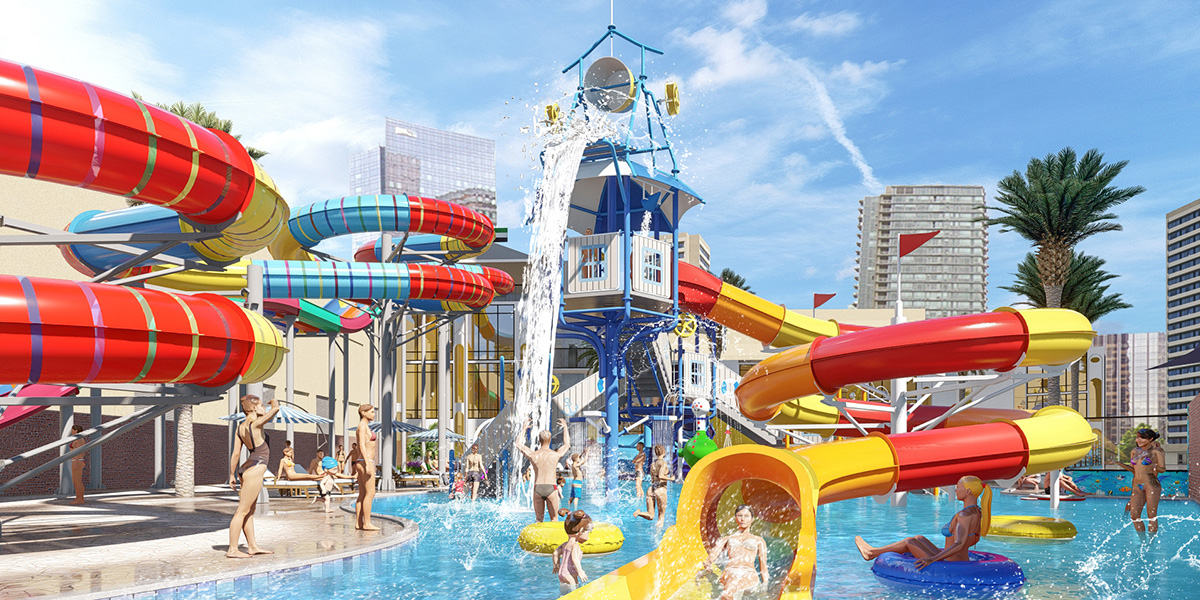
MooTon’s Clock Tower Master Water Park illustrates this approach with a two-stage attraction plan that began with a family-focused area and later added higher-thrill equipment.
Confirm what must be removed, what site work must happen before equipment arrives, when the installation area will be available, and what the owner and local authority require before reopening. Recheck site information before each later phase instead of assuming that the original plan is still current.
Prepare a Renovation Brief for the Supplier Discussion
A supplier can assess the project more efficiently when the brief shows what should change and which site limits are already known.
Include:
- the main renovation goal and the problem it should solve;
- the current site plan and attraction layout;
- an inventory of the attractions and equipment that may remain or be removed;
- available condition findings from the owner, original manufacturer, inspectors, or project professionals;
- target guests and the missing experience, capacity, or attraction role;
- available space and confirmed utility information relevant to the concept;
- the preferred theme or visual direction, with reference images if available;
- the operating calendar, closure limits, and preferred phasing;
- the budget direction, future expansion plan, and decisions needed next.
If the real choice is between renovating the existing park and developing a fundamentally new facility, use MooTon’s guide to how to build a water park for the broader new-build process.
For an existing-site project, send the renovation brief to MooTon through Contact Us. MooTon can use it to discuss the attraction mix, theme, preliminary layout direction, equipment scope, and information needed for the next supplier conversation. Site-condition, structural, hydraulic, electrical, accessibility, permit, and reopening decisions should remain with the appropriate project professionals and local authorities.